 ultimate-guide
Are Energy Efficient Windows Worth the Cost? A 2026 Guide
Table of Contents
- Calculating the Real Value of Energy Efficient Windows
- Energy Savings vs. Replacement Costs: The Core Trade-Off
- NFRC Window Ratings Explained: U-Factor and SHGC
- The Federal Tax Credit for Energy Efficient Windows in 2026
- Fire Resistant Window Materials and Safety Ratings
- When to Repair Instead of Replace
- Climate-Specific ROI: Matching Windows to Your Region
- Conclusion: Making the Cost-Benefit Call
- Frequently Asked Questions
Last Updated: September 9, 2026
Calculating the Real Value of Energy Efficient Windows
The honest answer to whether energy efficient windows are worth the cost is: they rarely pay for themselves through utility savings alone, but their total value across comfort, resale, and durability often justifies the investment. Most homeowners focus only on the monthly heating bill drop and miss the bigger picture. When you factor in reduced condensation, quieter rooms, and improved curb appeal, the calculation shifts.
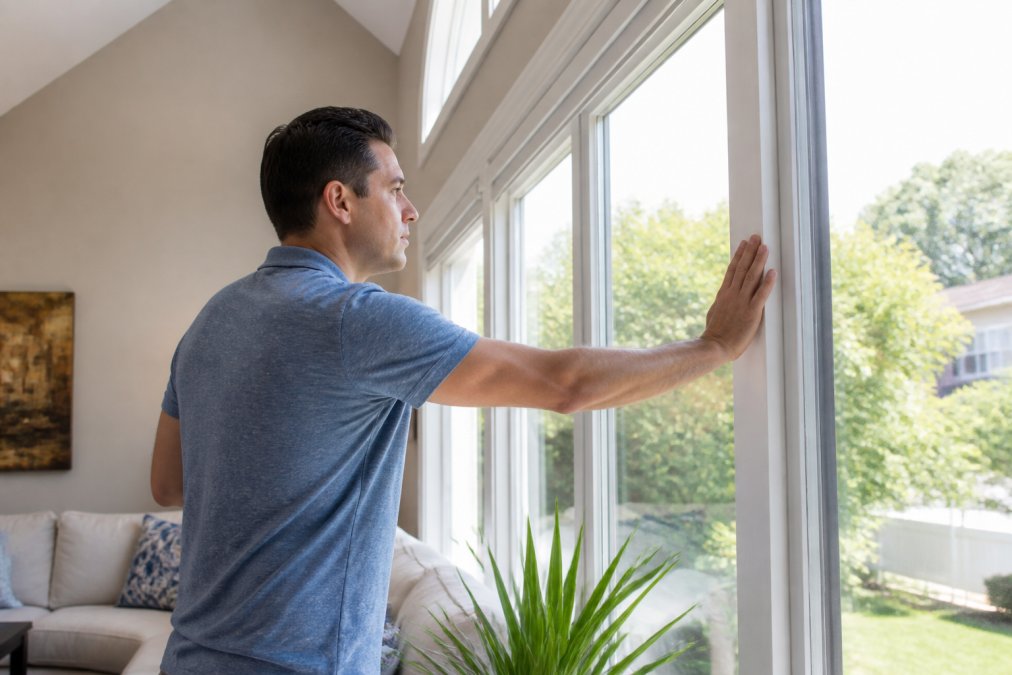
Energy efficient windows are window assemblies designed with multiple panes, low-E coatings, and insulating gas fills to reduce heat transfer between your home's interior and the outdoors. The real question isn't whether they save energy; it's whether the savings and added comfort outweigh the upfront cost over the windows' lifespan. Below, we'll walk through the trade-offs, the ratings that matter, and the incentives that can tip the scale.
Energy Savings vs. Replacement Costs: The Core Trade-Off
The central tension is straightforward: new windows cost thousands of dollars, while the monthly utility savings are modest in most homes. But "modest" is a guess unless you run the numbers for your specific house. Most articles stop at a national average; we'll give you the actual formula so you can stop guessing.
The Payback Period Formula
To find your break-even point, you need three numbers: your total installed cost, your annual energy savings, and your annual maintenance savings (if your old windows were failing). The basic math is:
Payback Period (Years) = (Total Installed Cost) ÷ (Annual Energy Savings + Annual Maintenance Savings)
Let's make that concrete. A typical homeowner replacing 10 double-hung windows in a 2,000-square-foot home might spend between $8,000 and $15,000 installed, depending on frame material and glass package. To estimate your annual energy savings, you need your local utility rate and your heating/cooling degree days. A simplified approach used by many energy auditors is to assume that upgrading from single-pane to double-pane low-E windows reduces your heating and cooling load by roughly 10% to 15% in an average home. If your annual combined heating and cooling bill is $2,400, a 12% reduction equals $288 per year.
Divide that $10,000 installation cost by $288, and you get a payback period of roughly 35 years, longer than the warranty on most windows. That is the honest math that leads many guides to conclude energy savings alone rarely justify replacement.
When the Math Flips
The calculation changes dramatically when your existing windows are single-paned, drafty, or failing. Air leakage around old frames can account for up to 30% of a home's heat loss, according to common building science estimates. In that scenario, the savings percentage is higher, and the payback period can drop to 10-15 years. Additionally, if you are replacing windows because the seals have failed or the frames are rotting, you are spending the money regardless. The upgrade to an energy efficient model might add only $1,500 to $3,000 to a replacement you already need, and that incremental cost can pay back in 5 to 8 years.
The Hidden Line Items
What most guides miss is that energy savings are only one line item. Reduced noise, fewer drafts near seating areas, and elimination of condensation-related mold issues all carry real value, even if they don't appear on a utility statement. A common pattern in home appraisal literature is that new windows recover roughly 70% of their cost in increased home value at resale, according to cost-vs-value reports published annually by remodeling industry sources. That means even if your payback period stretches to 20 years, you may recoup most of the investment when you sell.
A Simplified Estimator
If you want a quick rule of thumb, use this pattern: take your annual heating and cooling bill, multiply by 0.10 for a modest estimate or 0.20 for a high estimate (if you have single-pane windows), and divide your total project cost by that figure. That gives you a range. If the low end is over 25 years, energy savings alone won't justify the project, but comfort, noise reduction, and resale value might.
NFRC Window Ratings Explained: U-Factor and SHGC
The National Fenestration Rating Council (NFRC) provides the standardized labels that let you compare energy efficient windows objectively. Two numbers matter most: the U-factor and the Solar Heat Gain Coefficient (SHGC). The U-factor measures how well a window prevents heat from escaping, with lower values indicating better thermal insulation. The SHGC measures how much solar heat passes through the glass, which is desirable in cold climates but problematic in hot ones.
For cold regions, look for a low U-factor around 0.27 or below, paired with a moderate SHGC to capture free solar warmth. In hot climates, a low SHGC matters more to reduce cooling loads. Double-paned and triple-paned units with argon gas fills and low-E coatings achieve the best ratings, but they cost more upfront.
The Frame Matters as Much as the Glass
What most buyers overlook is that the NFRC U-factor rating applies to the entire window assembly, glass, frame, and spacers, not just the glazing. The frame material dramatically affects thermal performance because of a phenomenon called thermal bridging, where heat conducts through the frame material itself. Here is how the three most common frame materials compare:
Vinyl (PVC) frames are the most popular choice for their balance of cost and performance. Vinyl has low thermal conductivity, meaning it resists heat transfer well. However, vinyl frames expand and contract noticeably with temperature swings, which can stress seals over time. Most practitioners find that quality vinyl windows with internal reinforcement perform well in moderate climates but may struggle with extreme temperature differentials.
Wood frames offer excellent natural insulation and a classic aesthetic, but they require ongoing maintenance. Wood is a decent insulator, but the real issue is that wood frames are often clad with aluminum or vinyl on the exterior for weather protection. Aluminum cladding is a thermal bridge, it conducts heat readily, which can undermine the frame's overall U-factor. Wood frames also rot and warp when moisture penetrates the cladding, which is why they are less common in high-humidity regions.
Fiberglass frames are the performance leader for thermal efficiency. Fiberglass has a similar thermal expansion rate to glass, which means the seal between frame and glazing experiences less stress over time. It also has a lower U-factor than aluminum and is stronger than vinyl, allowing for slimmer frames that let in more daylight. The trade-off is cost: fiberglass frames typically run 20% to 40% more than vinyl. For homeowners in extreme climates, that premium often pays back through lower energy loss through the frame.
Fire Resistance and Frame Materials
Frame material also affects fire performance. Vinyl frames can soften and deform at relatively low temperatures, potentially allowing fire to spread through window openings sooner. Fiberglass and aluminum frames offer better structural integrity at high temperatures. Tempered glass resists thermal stress better than standard annealed glass, while multi-pane units with tempered outer panes slow radiant heat transfer into a home. Some manufacturers offer windows rated to meet specific fire codes, which can be a deciding factor for homes in wildfire-prone areas. Discuss local building code requirements with your contractor to determine whether upgraded glazing and framing are warranted for your property.
Installation Quality Overrides Everything
A poorly sealed frame undermines even the best-rated window. The NFRC rating assumes proper installation with correct flashing, shimming, and sealing. Gaps around the frame allow air infiltration that bypasses the window's thermal performance entirely. When comparing quotes, ask each installer how they handle air sealing at the rough opening, a detail that matters more than the difference between a 0.27 and a 0.25 U-factor.
The Federal Tax Credit for Energy Efficient Windows in 2026
A federal tax credit can meaningfully reduce the net cost of qualifying energy efficient windows in 2026. Under current IRS guidelines, homeowners may claim a credit for windows that meet specific ENERGY STAR criteria, with the credit applied to your federal income tax. The exact credit amount and eligibility requirements are set by the Internal Revenue Service and can change, so you should verify current figures against the official program documentation before purchasing.
To qualify, the windows must carry ENERGY STAR certification and meet the version-specific performance requirements for your climate zone. Keep the manufacturer's certification statement and your receipt for your tax records. This credit offsets a portion of the purchase price, not the installation labor, so factor that into your payback math. Check the official ENERGY STAR certification criteria and the IRS guidance on energy efficient home improvements for the current credit amount and qualifying product list.
Fire Resistant Window Materials and Safety Ratings
Fire resistance adds another layer to the value equation, particularly for homeowners in wildfire-prone areas or those seeking extra protection. Window glass and framing materials carry fire ratings that indicate how long they withstand heat exposure before failing. Tempered glass resists thermal stress better than standard annealed glass, while multi-pane units with tempered outer panes slow radiant heat transfer into a home.
For the frame, materials behave differently under fire exposure. Vinyl frames can soften and deform, while fiberglass and aluminum frames offer better structural integrity at high temperatures. Some manufacturers offer windows rated to meet specific fire codes, which can be a deciding factor for homes in high-risk zones. Fire resistant window materials typically cost more than standard assemblies, but they add a safety dimension that energy savings alone cannot provide. Discuss local building code requirements with your contractor to determine whether upgraded glazing is warranted for your property.
When to Repair Instead of Replace
Replacement isn't always the right call. If your existing windows are structurally sound with functioning seals, targeted repairs can extend their life at a fraction of the cost. Common repairs include replacing worn weatherstripping, re-caulking gaps around the frame, and repairing or replacing a single failed pane. These fixes address drafts and minor air leakage without the expense of a full replacement.
The decision point comes down to the condition of the frame and the glass seal. If condensation forms between the panes, the seal has failed and the insulating gas has escaped; that unit needs replacement. If the frame is rotting, warped, or damaged, repair is temporary at best. A professional inspection can identify which units are worth saving and which are beyond economical repair. Many homeowners find they can replace only the failing units now and phase in the rest over time, spreading the cost without sacrificing comfort.
Climate-Specific ROI: Matching Windows to Your Region
Your local climate is the single biggest factor in determining whether energy efficient windows are worth the cost. In extreme climates, the payback period shortens considerably because the temperature differential between indoors and outdoors is larger, driving greater heat transfer through the glass. Homes in regions with bitter winters, sweltering summers, or both see more dramatic savings than those in mild, temperate zones.
The U-factor matters most in cold climates where heat loss drives utility bills, while the SHGC becomes critical in hot climates where solar gain forces air conditioning to work harder. Homes in mixed climates need a balanced approach, selecting windows that perform well in both seasons. Climate zone maps from the Department of Energy help you identify which performance attributes should take priority for your location. A local installer familiar with your region's conditions can recommend the right balance of U-factor and SHGC rather than defaulting to a one-size-fits-all product.
Conclusion: Making the Cost-Benefit Call
Deciding whether energy efficient windows are worth the cost comes down to your priorities, your climate, and the condition of your current windows. If you're replacing failing units anyway, upgrading to efficient models is a sound investment that adds comfort, resale value, and energy savings over time. If your windows are functional and you're chasing utility-bill savings alone, the payback may not justify the expense.
The smartest approach is to have a professional assess your specific situation before committing. A thorough inspection reveals which units genuinely need replacement, which can be repaired, and what performance ratings make sense for your home and budget. Working with a team that handles both the assessment and the installation ensures the job is done right the first time.
Frequently Asked Questions
Is there a federal tax credit for energy-efficient windows in 2026?
Yes. The federal tax credit for energy efficient windows covers 30% of the product cost, up to $600 per year, for windows that meet ENERGY STAR Most Efficient criteria. Installation labor does not count toward the credit. The credit applies to your primary residence. Check the ENERGY STAR website for the current certified product list before you order, and keep the manufacturer's certification statement for your tax records.
How much can I expect to save on utility bills with new windows?
The Department of Energy estimates that heat gain and loss through windows accounts for 25% to 30% of residential heating and cooling energy use. Replacing single-pane units with ENERGY STAR certified double-paned models can cut those losses meaningfully, but actual dollar savings depend on window count, climate zone, and local utility rates. A home energy audit gives you a more precise estimate before you commit.
Do energy-efficient windows provide better fire resistance?
Standard energy-efficient windows are not fire-rated. If fire resistance is a priority, look for fire resistant window materials like tempered or wired glass, which meet fire ratings such as 20, 45, or 60 minutes. These products often combine low-E coatings and gas fills with fire-rated glazing. Check the label for both the NFRC energy rating and the fire rating to confirm the unit does both jobs.
What are the NFRC window ratings I should look for?
Focus on two NFRC ratings: the U-factor and the Solar Heat Gain Coefficient (SHGC). U-factor measures how well a window insulates; lower numbers are better in cold climates. SHGC measures how much solar heat passes through; lower numbers help in hot climates. For northern states, look for a U-factor of 0.27 or lower. For southern states, prioritize an SHGC around 0.23 or lower.
How long do energy-efficient windows typically last?
Quality double-paned windows with low-E coatings and argon gas fills typically last 20 to 30 years. The sealed unit, which holds the gas between the panes, can fail sooner if the seal breaks and condensation forms inside. Vinyl and fiberglass frames resist rot and warping better than wood. Proper installation and annual weatherstripping checks extend the service life.
The decision deserves honest, data-backed guidance rather than a sales pitch. At Wolff Exteriors, we provide straightforward assessments of your window condition and honest recommendations about what actually needs replacing, backed by quality materials and clear communication from start to finish. Request a free quote and get a clear picture of whether energy efficient windows make sense for your home.