 ultimate-guide
Avoiding Hidden Costs in Home Renovation: 2026 Guide
Table of Contents
- Why Hidden Costs Sink Renovation Budgets
- Building a Home Renovation Contingency Fund That Actually Works
- How to Read a Contractor Estimate Line by Line
- The Hidden Costs Most Homeowners Miss
- Fire Resistance Ratings for Roofing Materials and Your Budget
- Long-Term Financial Impacts: Insurance, Taxes, and Financing
- Conclusion
- Frequently Asked Questions
Last Updated: September 10, 2026
Why Hidden Costs Sink Renovation Budgets
The most common reason renovation projects stall isn't bad taste or slow crews. It's the gap between what homeowners planned to spend and what the job demands once walls come down. Avoiding hidden costs in home renovation starts with one hard truth: the estimate you sign is a forecast, not a guarantee.
That gap shows up in predictable places. Contractors price what they can see, not what's behind the drywall or under the flooring. When the surprise appears, someone pays for it, and that someone is usually you.
This guide walks through where renovation budgets leak money, how to build a contingency fund that absorbs the shocks, how to read a contractor estimate line by line, and why fire resistance ratings on roofing materials belong in your budget conversation from day one. The homeowners who stay calm mid-project aren't luckier. They planned for the ugly parts.
The stakes are real. An over-budget renovation can force you to pause work mid-project, live in a half-finished house, or borrow at rates you didn't plan for. Getting the budget right isn't pessimism. It's honesty.
Building a Home Renovation Contingency Fund That Actually Works
A home renovation contingency fund is money set aside to cover costs outside the original scope, and it's the single most effective buffer against a blown budget. Without one, every surprise becomes a crisis. Most advice stops at "set aside 10 to 20 percent" and never explains how that number changes based on the project, the house, or how you're paying for the work (consumer.ftc.gov).
How Much to Set Aside
Reserve a percentage of your total project budget for the unexpected. The older and larger the home, the more you should hold back, because older structures hide more problems behind finished surfaces. Think in tiers:
- Cosmetic refresh on a newer home (paint, fixtures, flooring over sound substrate): a smaller cushion, since surprises are limited to finishes.
- Kitchen or bathroom remodel in a mid-age home: a moderate cushion, because plumbing and electrical behind the walls drive most overruns.
- Full gut renovation or any project touching structure, roof, or exterior envelope: the largest cushion, because once framing, sheathing, or load paths are exposed, repairs stop being optional.
Don't treat the contingency as optional padding to spend on upgrades if nothing goes wrong. If the fund survives untouched, that's a win, not a shopping spree.
Where to Keep the Money
Keep contingency funds liquid and separate from your renovation payment account. A dedicated savings account works well. You want the money accessible within a day or two, not locked in an investment you'd have to sell at a loss.
Financing the Contingency, Not Just Funding It
If you're borrowing for the renovation, the contingency has to be financed too, and how your loan is structured determines whether a surprise stalls the project.
- Contingency reserve in the loan. Some renovation loans let you borrow against a reserve drawn only if needed, so you pay no interest on unused funds. Ask your lender before you sign.
- Change-order draws. Other structures allow additional draws mid-project for approved change orders, keeping work moving without a new application.
- Home equity lines of credit. A line of credit can act as standby contingency, but variable rates mean the cost of a surprise depends on when it hits.
- Credit cards as a last resort. Revolving credit is the most expensive way to absorb an overrun. If it's your only option, the project was underfunded from the start.
A contingency you can't afford to draw on isn't really a contingency.
A Simple Way to Pressure-Test Your Number
Before you commit, answer three questions: What's the oldest system in this house, and what does replacing it cost? What's the one repair that would force me to stop work entirely? If that repair happened tomorrow, where does the money come from within 48 hours? If you can't answer all three, your contingency isn't finished.
How to Read a Contractor Estimate Line by Line
A contractor estimate is only useful if you understand what each line covers and what it leaves out. Vague estimates are where cost overruns are born.
Look for these elements in every estimate:
- Scope description: exactly what work is included, room by room or surface by surface
- Materials specified: brand, grade, and quantity, not just "shingles" or "siding"
- Labor breakdown: separate from materials so you can see where the money goes
- Permits and fees: stated as a line item or explicitly excluded
- Disposal and debris removal: hauling away old materials costs money and is often omitted
- Payment schedule: tied to milestones, not just a deposit and a final bill
- Exclusions: the section that tells you what you'll pay extra for
If a line item says "miscellaneous" or "as needed" without detail, ask for a written explanation. That's not being difficult. That's protecting yourself.
Red Flags in a Low Bid
A bid dramatically lower than the others usually isn't a bargain. It often means the contractor left something out on purpose, planning to add it back as a change order. Watch for estimates that skip permits, exclude disposal, or list materials without grade. Those gaps become your problem once work begins.
The Hidden Costs Most Homeowners Miss
The costs that wreck budgets rarely announce themselves. They hide in paperwork, in the structure of the house, and in the gap between what a permit covers and what an inspector requires.
| Hidden Cost | Why It Surprises Homeowners | How to Prepare |
|---|---|---|
| Permits and inspections | Assumed to be included in the bid | Confirm in writing who pulls permits and pays fees |
| Structural repairs | Discovered only after demolition | Hold a larger contingency for older homes |
| Outdated wiring and plumbing | Hidden behind finished walls | Budget for a pre-work inspection |
| Material cost changes | Quoted price expires before delivery | Lock pricing or add an escalation clause |
| Demolition and debris removal | Often excluded from estimates | Ask explicitly what disposal covers |
| Temporary housing | Overlooked during long projects | Factor in if the home is unlivable |
| Storage for furniture | Forgotten until rooms are cleared | Price a storage unit before work starts |
| Change orders | Added mid-project at premium rates | Finalize selections before work begins |
Permits, Inspections, and Code Compliance
Building permits and code compliance are non-negotiable, and they cost more than most homeowners expect (hud.gov). Permit fees, inspection scheduling, and the chance an inspector requires work beyond the original scope all add up. If your home has older systems, code compliance can trigger upgrades you didn't plan for. Confirm in writing who pulls permits before work starts.
Structural Surprises and Material Delays
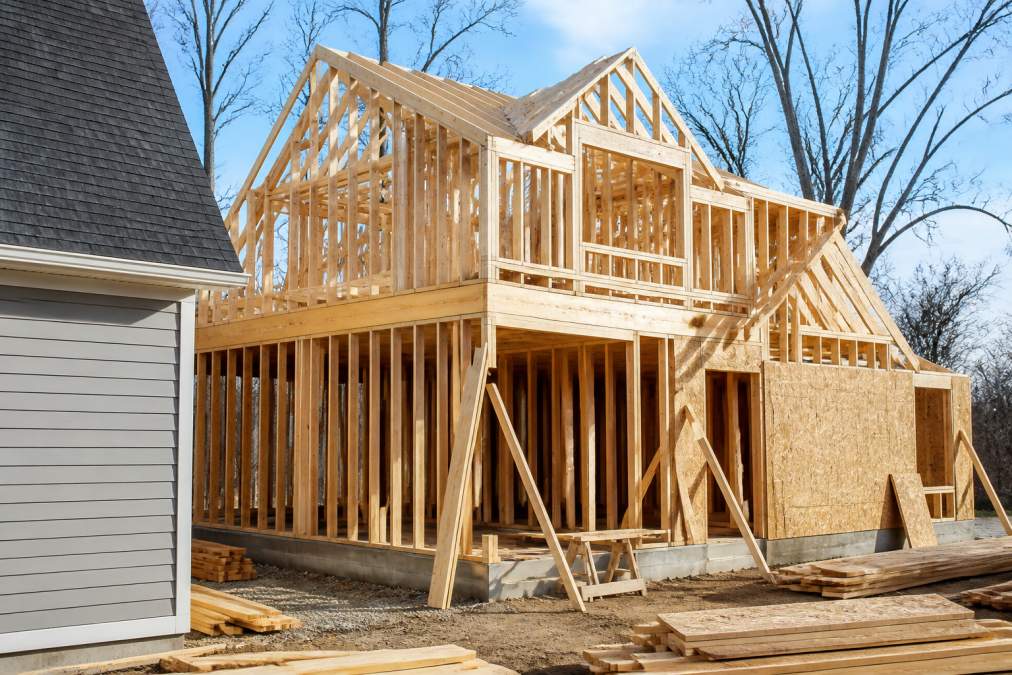
Structural issues surface once walls open up. Load-bearing walls, rotted framing, and foundation problems aren't visible during a walkthrough, and repairing them isn't optional. Material escalation and supply chain delays add a second layer of risk: quoted prices can shift before delivery, and delays push labor costs higher. A contingency fund and a realistic timeline are your defense against both.
Fire Resistance Ratings for Roofing Materials and Your Budget
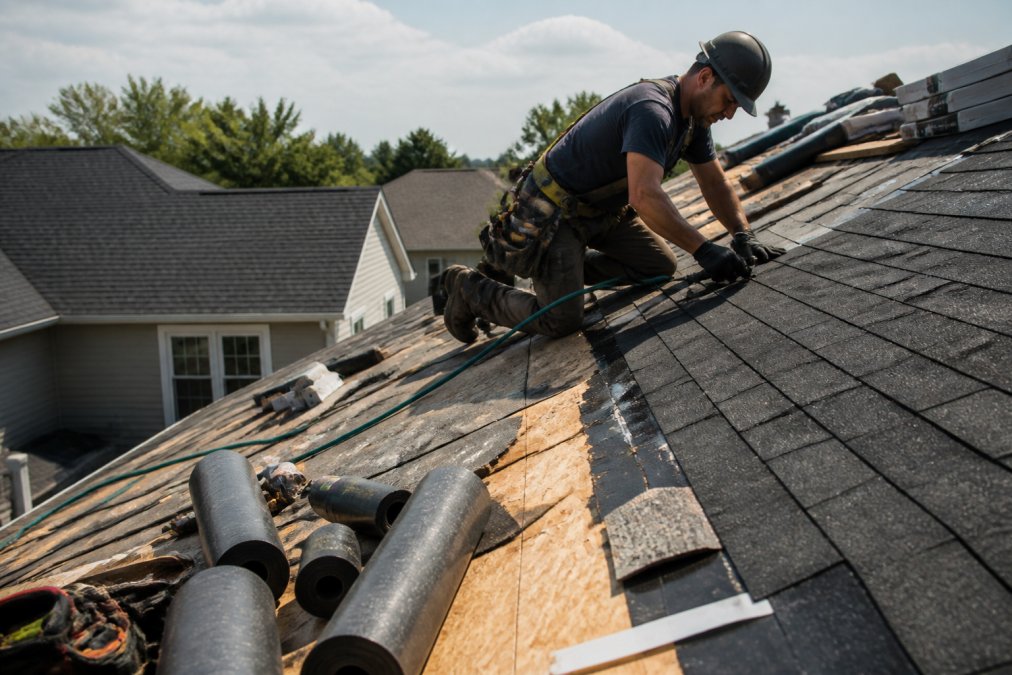
Fire resistance ratings measure how well a roofing material resists catching fire from an external source, and they affect both your insurance costs and your material budget (nfpa.org). Roofing materials are classified by fire resistance, and the classification you choose influences how insurers view your property.
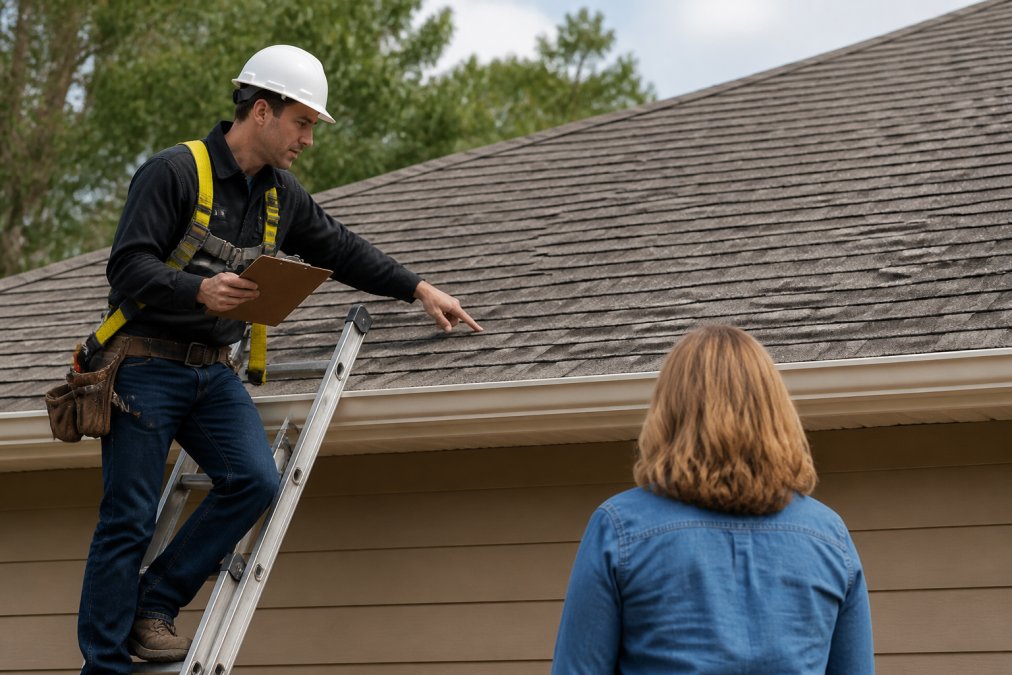
When comparing roofing quotes, ask what fire resistance rating the proposed material carries and whether it meets your insurer's requirements. A material that fails to meet your policy's expected rating can leave you underinsured or facing a premium increase after installation. This is where reading the estimate line by line pays off, because the rating is sometimes buried in a specification sheet rather than stated plainly.
For homeowners in wildfire-prone areas, this matters even more. The right roofing material protects the structure and can reduce what you pay to insure it. We install roofing with documented fire resistance ratings and can walk you through which classification fits your property and policy.
Long-Term Financial Impacts: Insurance, Taxes, and Financing
The financial effects of a renovation outlast the construction dust. Three long-term costs catch homeowners off guard: insurance premium adjustments, property tax reassessment, and interest on renovation financing. A fourth, energy efficiency tax credits, is the one most guides ignore, and it can put money back in your pocket.
Homeowners insurance. After a major renovation, your insurer may adjust your premium based on the home's new replacement value. Improvements that raise the home's worth, like a new roof with a strong fire resistance rating, can change how your policy is priced. Contact your insurer after major work to confirm coverage still matches the home. Two mechanisms drive the change: replacement cost, which rises with home value, and risk rating, which can improve or worsen depending on the materials and systems you installed. A roof with a documented fire resistance rating can work in your favor on both.
Property tax reassessment. Significant renovations can trigger a reassessment of your property's value, raising your tax bill. Not every project does, but major structural or exterior improvements often do. The mechanism varies by jurisdiction: some reassess on a fixed cycle, while others reassess after a permitted improvement is closed out. Because the permit record often triggers review, the same project can be treated differently depending on how it was permitted. Ask your local assessor's office how improvements are handled before you file, not after.
Financing and interest rates. If you're borrowing to fund the renovation, the interest rate you secure affects your total cost far more than most line items on the estimate. A rate that looks manageable on a short loan becomes expensive over a longer term. Compare terms carefully and factor interest into your total project cost, not just the construction budget.
Energy efficiency tax credits. Federal incentives exist for certain energy-efficient home improvements and can offset part of what you spend on qualifying upgrades. Commonly qualifying categories include insulation and air sealing, certain windows and doors, and specific heating, cooling, and water-heating equipment. Two things matter for capturing them:
- The improvement has to meet the program's efficiency criteria, not just be "new." A replacement that doesn't hit the threshold doesn't qualify, no matter how much it cost.
- You need documentation. Keep the manufacturer's certification statement and your receipts. Without them, the credit is difficult to claim.
Credits differ from deductions: a credit reduces what you owe dollar for dollar, while a deduction reduces taxable income. That's why a qualifying upgrade can be worth more than its sticker price suggests. Confirm current eligibility rules and caps before relying on any credit in your budget, because program terms change.
Conclusion
The homeowners who finish renovations without financial chaos aren't the ones who got lucky with a perfect house. They planned for the parts nobody can see yet.
Renovation surprises are unavoidable, but financial disasters aren't. Wolff Exteriors helps homeowners protect their biggest investment with durable roofing, siding, and exterior work built to last, backed by constant communication from first quote to final walkthrough. From energy-efficient windows and full exterior framing, our team handles the details that keep your project on budget and your home protected. Request a free quote from Wolff Exteriors and start your renovation with a clear plan.
Frequently Asked Questions
What is the 30% rule for renovations?
The 30% rule suggests setting aside 30% of your total project budget as a contingency fund for unexpected costs. On a $50,000 renovation, that means keeping $15,000 in reserve. This buffer covers surprises like hidden water damage, outdated wiring, or permit delays. While 30% is conservative, many contractors recommend at least 15-20% for straightforward projects. For older homes or exterior work where structural issues are common, leaning toward the higher end protects you from mid-project financial stress.
What are the most common hidden costs in exterior home projects?
Exterior renovations often reveal problems once walls or roofing are opened. Common hidden costs include structural repairs like rotted sheathing or failed framing, permit and inspection fees, asbestos or mold remediation, and upgraded materials required by current code. Debris removal, temporary storage for belongings, and living expenses during the project also add up. Supply chain delays can force material substitutions at higher prices. A detailed contractor estimate that lists allowances for these items helps you spot gaps before signing.
Why is fire resistance rating an important factor in renovation budgeting?
Fire resistance ratings affect both material cost and long-term insurance premiums. Roofing materials with a Class A rating, the highest under ASTM E108, offer superior protection against fire spread. While Class A materials may cost more upfront, many insurers offer discounts for homes with fire-rated roofing, and some areas require specific ratings by code. Choosing a lower-rated material to save money now could mean higher premiums later or failed inspections. Always confirm the rating meets local building codes before finalizing your budget.
How do I ensure my contractor's estimate includes all necessary materials?
Ask for a line-item estimate that separates labor, materials, permits, and disposal fees. Check that quantities are specified, not just lump sums. Request material brands, grades, and fire resistance ratings in writing. Walk through the scope together and ask what is excluded. A trustworthy contractor will explain allowances for unforeseen conditions and how change orders are priced. If an estimate is vague or missing categories like debris removal or inspection fees, ask for a revised version before signing anything.