 listicle
Book Residential Siding Installation in Northern Nevada
Table of Contents
- Why Northern Nevada Homes Need Specific Siding
- How to Spot Storm Damage on Siding Before It Spreads
- Siding Installation Cost Estimates: What to Expect
- Choosing Fire Resistant Siding Materials for High Desert Safety
- How to Book Residential Siding Installation with Confidence
- The Installation Process: From Estimate to Cleanup
- Final Checklist Before You Book Your Siding Project
- Frequently Asked Questions
Last Updated: September 8, 2026
Why Northern Nevada Homes Need Specific Siding
High desert conditions put siding through a punishing cycle: intense UV radiation fades colors, temperature swings from below freezing to above 90 degrees cause panels to expand and contract, and sudden wind events drive debris into exterior walls (energy.gov). Siding installation in this climate is not a one-size-fits-all project, which is why homeowners across the region need materials engineered for dry, extreme conditions rather than products designed for temperate coastal markets.
A common mistake is choosing siding based on looks alone without considering how the material performs at high altitude. The building envelope is your home's first defense against moisture intrusion and temperature loss, and the wrong product can fail within a few seasons. At Wolff Exteriors, we evaluate each home's exposure, orientation, and existing insulation before recommending a path forward, because a solution that works in one neighborhood may be entirely wrong a few miles away.
How to Spot Storm Damage on Siding Before It Spreads
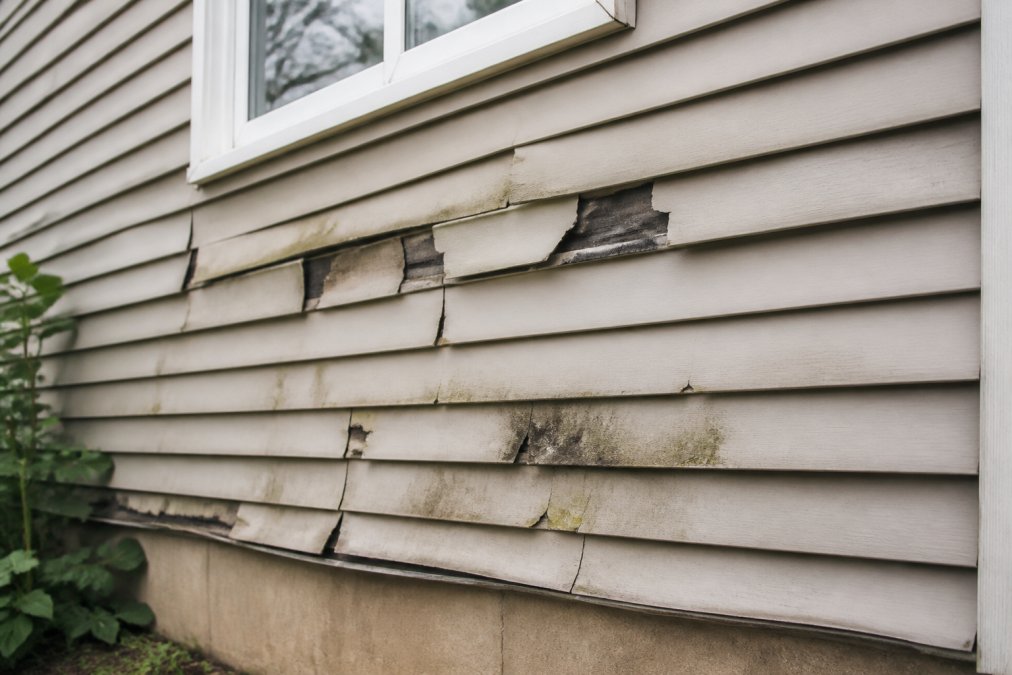
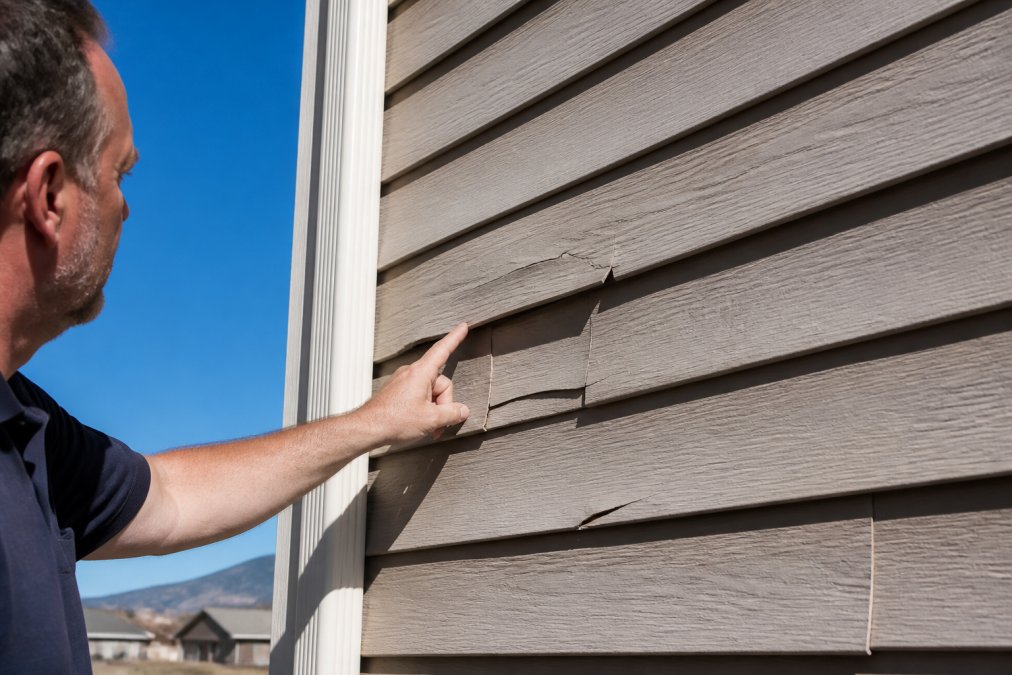
Storm damage on siding is often invisible from the ground, which is why it spreads. Walk the perimeter of your home after any high-wind event and look for panels that are warped, buckled, or lifted at the seams. Cracks that run horizontally across a panel, rather than vertically, usually indicate impact damage rather than normal thermal movement. Check where siding meets windows, corners, and rooflines, since these junctions fail first when wind pressures pull materials apart.
A few practical signs to document: nail heads that have popped or rusted, gaps between panels that did not exist before, and siding that feels loose when pressed. Take photos of each issue with a ruler for scale, because insurance adjusters and contractors both need clear evidence. If you can see daylight through a seam or the siding flexes noticeably under hand pressure, the moisture barrier behind it has likely been compromised.
Siding Installation Cost Estimates: What to Expect
Siding replacement is one of the larger exterior renovation investments a homeowner makes, and pricing varies widely based on material grade, wall square footage, and installation labor. Rather than quoting a single number that may mislead, understand that total project cost is driven by three factors: the siding material you select, the condition of the existing structure beneath the old siding, and whether repairs to the sheathing or insulation are needed once panels are removed.
To give you a realistic planning range, here are the typical per-square-foot installed costs (materials plus labor) for the most common siding types in the high desert market. Note that these are national averages adjusted for our region's labor market and supply chain, and your final quote will depend on your home's specific square footage and wall complexity.
| Material | Installed Cost per Square Foot (Range) | Relative Cost Factor |
|---|---|---|
| Vinyl | $3.50 - $7.50 | Lowest upfront cost |
| Engineered Wood (LP SmartSide) | $4.50 - $9.00 | Moderate |
| Fiber Cement (James Hardie) | $6.00 - $12.00 | Higher upfront, lower lifetime cost |
| Stucco (Full application) | $7.00 - $14.00 | High, requires skilled labor |
These figures represent a full tear-off and replacement, including disposal of old siding and basic flashing. A typical 1,500-square-foot home's exterior wall area is roughly 1,200 to 1,600 square feet, meaning a full fiber cement replacement will often land between $8,000 and $18,000 before any structural repairs.
Square foot pricing is the standard way contractors compare options, but the lowest per-square-foot material is rarely the most economical over a 30-year ownership period. Cheaper products may require repainting, more frequent repairs, or earlier replacement, which erases the initial savings. A detailed project estimate should itemize materials, labor, disposal of old siding, and any unforeseen structural work so there are no surprises when the final invoice arrives.
Beyond the siding itself, budget for these often-overlooked line items that show up on most Northern Nevada projects:
- Sheathing replacement: if rotted sections are discovered after tear-off.
- Insulation upgrade: Adding rigid foam board under new siding meaningfully improves R-value.
- Trim and fascia replacement: if roofline trim needs refreshing to match new siding.
- Permit fees: depending on your jurisdiction (see the permitting section below).
Choosing Fire Resistant Siding Materials for High Desert Safety
Fire resistance is a leading concern for Northern Nevada homeowners, and siding materials carry fire ratings that directly affect how a home survives a wildfire event. Fiber cement products like James Hardie are non-combustible and carry a Class A fire rating, the same rating given to materials that withstand severe exposure without igniting (fema.gov). This makes fiber cement a strong default choice for high desert properties near open land or vegetation.
Vinyl siding, by contrast, is combustible and can melt or warp when exposed to radiant heat, even if flames do not make direct contact. For homes in higher-risk zones, pairing fire resistant siding materials with proper clearance and non-combustible trim reduces the chance of embers igniting the structure. Energy efficiency also factors into material choice, since insulated options add R-value to the building envelope and lower heating and cooling loads throughout the year.
A comparison of common siding materials helps clarify the tradeoffs:
| Material | Fire Rating | Maintenance | Best For |
|---|---|---|---|
| Fiber cement | Class A (non-combustible) | Low, no repainting | Wildfire-prone properties |
| Engineered wood | Class C (combustible) | Moderate, periodic sealing | Budget-conscious builds |
| Vinyl | Combustible, melts | Very low | Mild climates, tight budgets |
| Stucco | Class A (non-combustible) | Low | Desert-style architecture |
How to Book Residential Siding Installation with Confidence
Booking residential siding installation northern nevada projects starts with verifying that your contractor holds a valid license and carries proper insurance. In this state, exterior contractors should hold a C-15 license, which covers siding and related exterior work (nv.gov). Confirm the license number is active through the state contractor board and ask for proof of workers' compensation and general liability coverage before anyone sets foot on your property.
Schedule estimates from at least three providers and compare not just price, but how each contractor communicates. A contractor who returns calls promptly, answers questions directly, and provides a written timeline is more likely to deliver a smooth project than one who disappears after the deposit. Ask specifically how they handle unforeseen issues like rotted sheathing, since this is where disputes and change orders typically arise.
The Installation Process: From Estimate to Cleanup
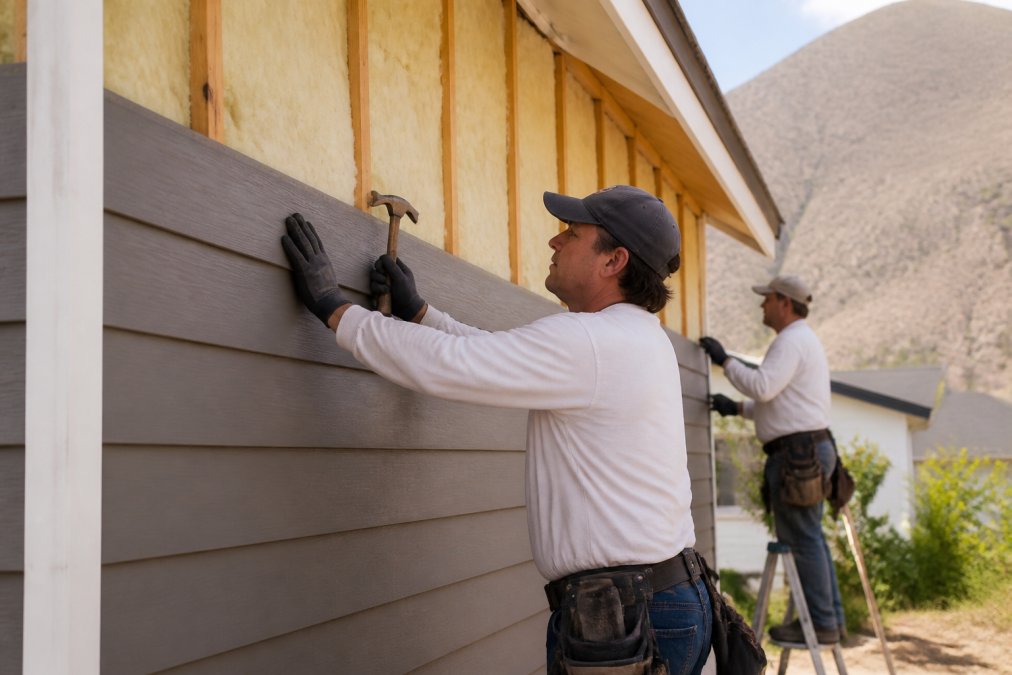
A professional siding installation follows a predictable sequence, and knowing the steps helps you hold your contractor accountable. The process begins with a site inspection and material selection, followed by a written estimate. Once the old siding is removed, the contractor inspects the sheathing and moisture barrier, replacing any damaged sections before new material goes up.
Installation labor typically proceeds from the bottom of the wall upward, with flashing installed at windows, doors, and corners to direct water away from the structure. The crew should protect landscaping and walkways with drop cloths, and the job site should be swept and cleared of debris each day. A final walkthrough with the contractor confirms that panels are straight, seams are tight, and all trim is properly caulked before you sign off.
Final Checklist Before You Book Your Siding Project
Before signing a contract, confirm that the estimate includes disposal of old siding, that the warranty covers both materials and installation labor, and that the contractor will obtain any required permits. HOA communities may have additional approval requirements, so check your governing documents before work begins to avoid fines or forced removal.
Navigating Local Permits and HOA Approvals: The Step Most Homeowners Miss
Most service-page competitors never mention this, but permitting and HOA restrictions are the single most common source of project delays in this region. Here is what you need to know before work begins.
Building Permits by Jurisdiction
Siding replacement is treated differently depending on where you live. In most incorporated cities, a building permit is required when the work involves structural changes, sheathing replacement, or changes to the building envelope. A straightforward siding overlay onto existing sheathing may not trigger a permit, but a full tear-off that exposes framing almost always does.
- Reno: The City of Reno Building Division requires a permit for any siding replacement that involves removal of exterior wall covering where sheathing may be damaged. Plan review is typically not required for single-family residential re-siding, but an inspection is scheduled after rough-in and before final cover.
- Sparks: Sparks Building & Safety follows similar International Residential Code (IRC) standards. Permits are issued over the counter for most residential re-siding projects, with inspection required before the final row of siding is installed.
- Carson City: Carson City Building Division requires a permit for siding work that exposes framing or alters the building envelope. Their inspection focuses on moisture barrier installation and flashing details.
- Unincorporated Washoe County: Permits are required for re-siding when the project includes structural repair or replacement of sheathing. Pure overlay projects may be exempt, but confirming with the Building & Safety Division is the only way to be certain.
HOA and CCR Restrictions
If your property sits in a planned community, your Covenants, Conditions, and Restrictions (CCRs) likely govern exterior modifications. Common restrictions that stall siding projects include:
- Material mandates: Many Northern Nevada HOAs require specific materials (often stucco or fiber cement) and prohibit vinyl, regardless of what the building code allows.
- Color palette approval: Most HOAs require Architectural Review Committee (ARC) approval before installation. Submitting a sample of the exact siding color and finish is typically required.
- Setback and placement rules: Some communities restrict which elevations can be changed or require that all homes on a street maintain a uniform appearance.
Verify the project timeline is written into the contract along with payment milestones that tie installments to completed phases of work. A reputable contractor will not demand full payment upfront. Confirm that the team will perform a final inspection with you and that you understand how to file a warranty claim if an issue arises after completion. With these items confirmed, you can book residential siding installation northern nevada work with genuine confidence, knowing the job will be done right.
For homeowners ready to move forward, Wolff Exteriors handles siding alongside roofing, windows, gutters, and exterior framing under one licensed team, which simplifies coordination and accountability, including navigating local permit requirements and preparing HOA submittal packages. Request a free quote and get a detailed project estimate from a crew that communicates through every phase of the job, backed by NV License #0094416 and NV License #0095570.
Frequently Asked Questions
What are the best siding materials for fire resistance in high-desert climates?
In Northern Nevada's high desert, fire-resistant siding materials are a top priority. Fiber cement, like James Hardie, and stucco are excellent choices because they are non-combustible and can achieve a Class A fire rating. These materials resist burning and can help protect your home from embers and radiant heat during wildfire season. When you book residential siding installation, ask your contractor about the specific fire rating of the materials they recommend and whether they meet local building codes for wildfire defense zones.
How do I verify a siding contractor's license in Nevada?
Before you book a siding installation, verify the contractor's license through the Nevada State Contractors Board (NSCB). You can search their online database using the company's license number. For example, a qualified contractor in Northern Nevada should hold a valid C-15 license for siding and roofing work. Confirm the license is active and in good standing, and check if there are any complaints on file. Hiring a licensed contractor ensures they are bonded and insured, protecting you from liability and poor workmanship.
How can I tell if my siding needs replacement versus repair?
The decision to repair or replace siding depends on the extent of the damage. Minor issues, like a few cracked panels, can often be repaired. However, if you notice widespread warping, multiple areas of rot, or water damage behind the siding, a full replacement is more cost-effective. After a storm, check for loose panels and dents. If the damage is isolated, a repair works. Book a professional inspection to get an honest assessment. A reputable contractor will not recommend a full replacement if a simple repair will solve the problem.
Does Wolff Exteriors offer siding installation services?
Yes, siding installation is a core service offered by Wolff Exteriors for residential properties in Northern Nevada. As a locally owned and licensed contractor (NV License #0095570), they specialize in exterior renovations, including new siding installation, replacement, and repairs. They work with durable, high-quality materials suited for the local climate, including fire-resistant options. You can book a free quote on their website to discuss your project needs, get a detailed estimate, and learn about their process for ensuring a smooth and professional installation.